Remote Work and the Creative Process
When the office disappeared, so did the ambient creativity I'd taken for granted. The overheard conversations, the whiteboard sketches left in meeting rooms, the casual "hey, look at this" moments with colleagues—all gone overnight. It took me the better part of a year to stop mourning that loss and start building something new.
The Myth of Spontaneous Collaboration
Here's what I've come to believe: most of the "spontaneous creativity" we attributed to office life was actually social comfort masquerading as productivity. We felt creative because we were around people. But feeling creative and being creative are different things.
The real creative work—the deep thinking, the structural problem-solving, the careful craft—that always happened alone. At a desk, with headphones on, in a state of focus that the open office was specifically designed to prevent.
Building a Remote Creative Practice
What I've built instead is more deliberate. It has structure, and that structure, paradoxically, has made me more creative:
- Morning pages: Thirty minutes of unstructured writing before any screens. Not for publication—just for clearing the mental cache.
- Visual library: A growing archive of screenshots, photographs, and references. Browsing it is my version of walking through a gallery.
- Async critiques: Recorded video walkthroughs of work-in-progress, shared with trusted peers. More thoughtful than live feedback.
- Weekly analog sessions: One afternoon per week with paper, markers, and no computer. Some of my best ideas come from these sessions.
Creativity doesn't need an office. It needs attention, space, and a practice you can sustain.
The Unexpected Benefits
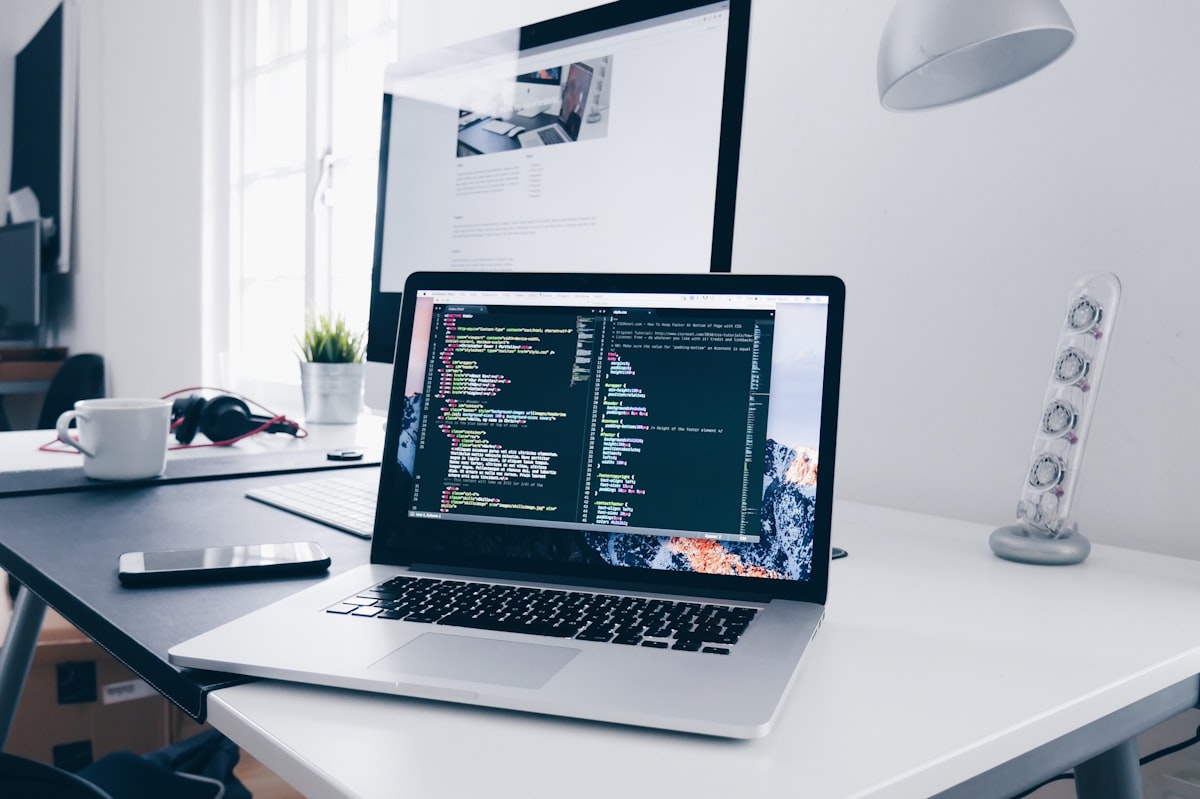
Remote work gave me something the office never could: control over my environment. I choose the lighting, the music, the temperature, the level of silence. I've designed my workspace the way I'd design a product—every detail intentional, every distraction removed.
I'm not arguing that remote work is better for everyone. But for the kind of deep, focused creative work that design demands, it's been transformative. The key isn't where you work. It's whether you've built a practice that works regardless of location.